↳ by asking the right questions first, then prototyping the answer with AI.
Michelle Park, lead product designer. I design from research: payments, billing and internal tools where the rules are complicated and the people using them are busy.
I work closely with PMs and developers. Now that prototypes are code, design, product, and engineering work in the same place, so how we work together matters even more.
With product managers
Once our PMs started prototyping in Claude Code, we worked in two ways. PMs still talked to customers and the field, then prototyped what they heard. For a simple feature, I cleaned up their prototype: the right components, our standards, a better layout and flow. For a complex one, their prototype was the starting point. We iterated together and showed versions to customers, and I ran the user testing so we asked the right questions.
With developers
When a question touches how something gets built, I set up time with the PM and the developer together, so feasibility shapes the design early. Developers go deep once the requirements and technical specs are set. At Monument, prototypes were code: we merged them into the sandbox in GitHub, and developers reviewed the branch and built it with their own code.
When we disagree
I treat it as a discussion. I ask why, and what they're seeing. If their reasoning holds up, I change course. More often, the questions get us to a better answer together. When we're still stuck, I go back to what customers told us. Research is neutral ground.
About
Good designers want to be proved wrong.
Andy Budd
That's why I ask for critique early, while it can still change the work.
I'm curious about why people make the choices they do. My best work started with a question nobody had asked yet, like why some facilities printed their promotions to keep at the desk.
I listen before I decide, and I want to hear the opposing view. I learned that in fine art critiques, and again at Illustria, where I went from sales to founding the client services team. I changed how the agency priced its work, and average deal size grew 125%. I also led the research behind a client's rebrand, after which their revenue grew 200%. That's where I learned that bringing stakeholders along is part of the job. Psychology is what pulled me into UX.
Research doesn't have to be a big study to be useful. One of my most useful findings came from a usability test I added to interviews I was already running. I bring the same care to the screens, because spacing and type shape how software feels more than people expect. I get designs in front of users early so the details get fixed while there's still time.
UX research
Product design
Design systems
Design leadership
Fine artPsychologyClient servicesSalesProduct design
Currently
Looking for lead or senior product design roles, in B2B or consumer products.
Based in
Dallas. Remote, or open to hybrid.
Off the clock
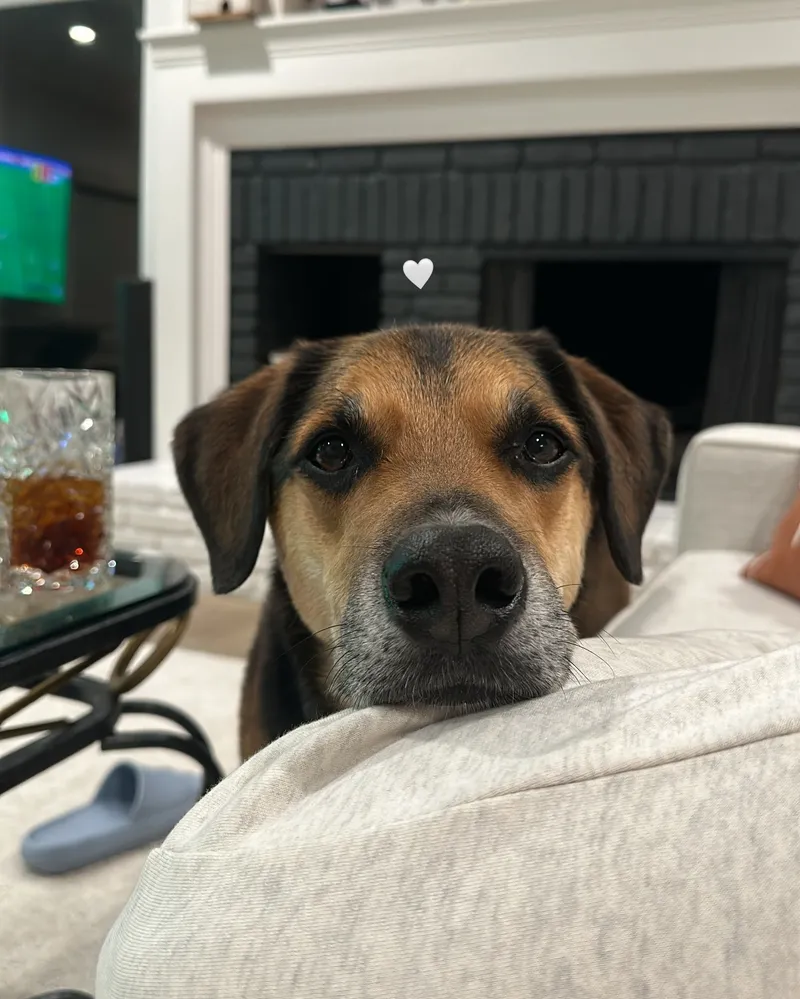
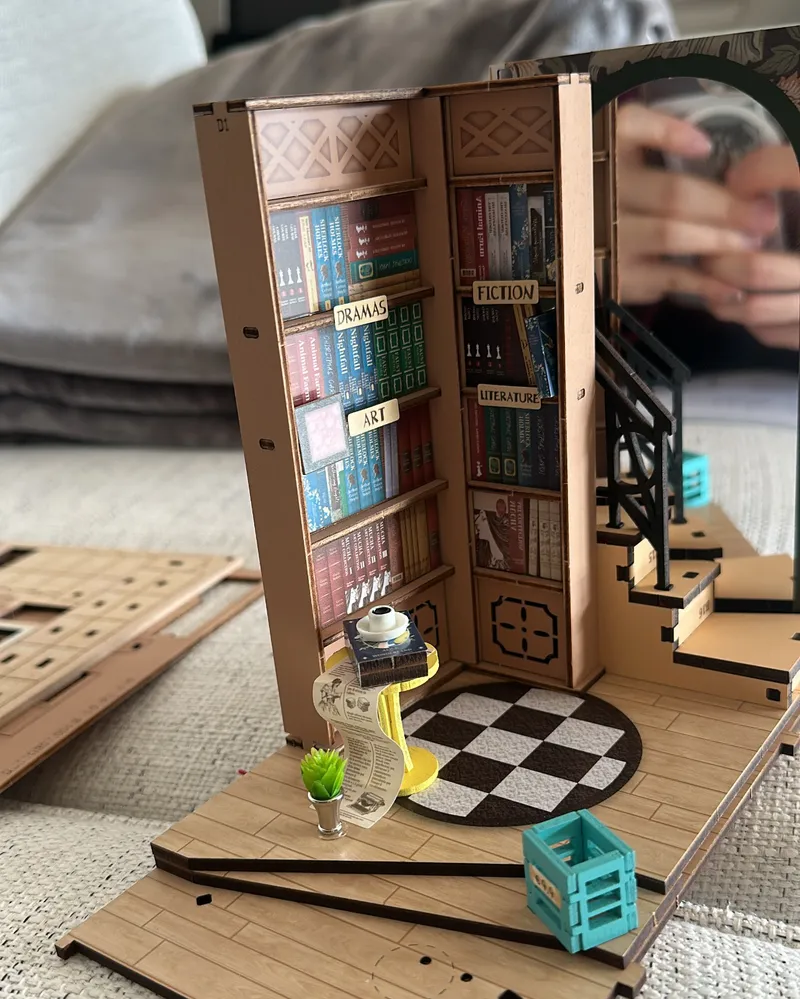
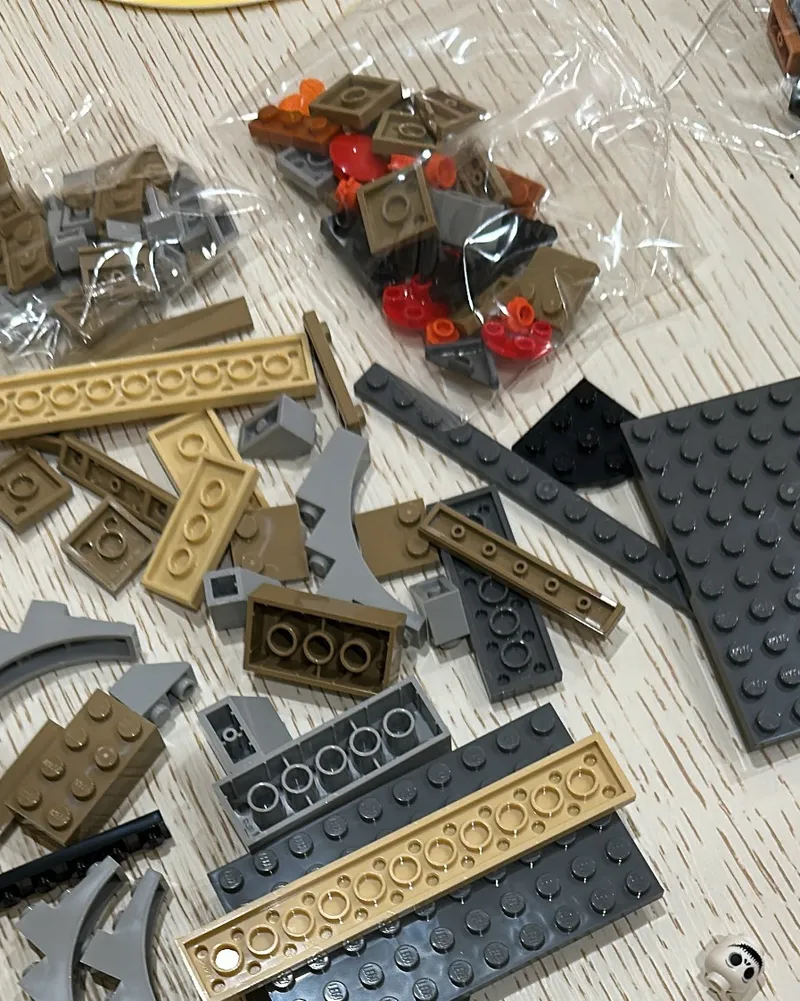
Spending time with family. Halloween parties where we decorate the whole house. Traveling, wine, Legos, book nooks, puzzles, and K-dramas.
Halloween at our houseThe dogBook nooksLegosTraveling + wine
Contact
Let's talk.
Tell me about the role, or the problem you're working on. You can also email me at michellejpark90@gmail.com.